Make Your Travel More Zen
October 4, 2026
A Practical Guide for the Chronic Boss
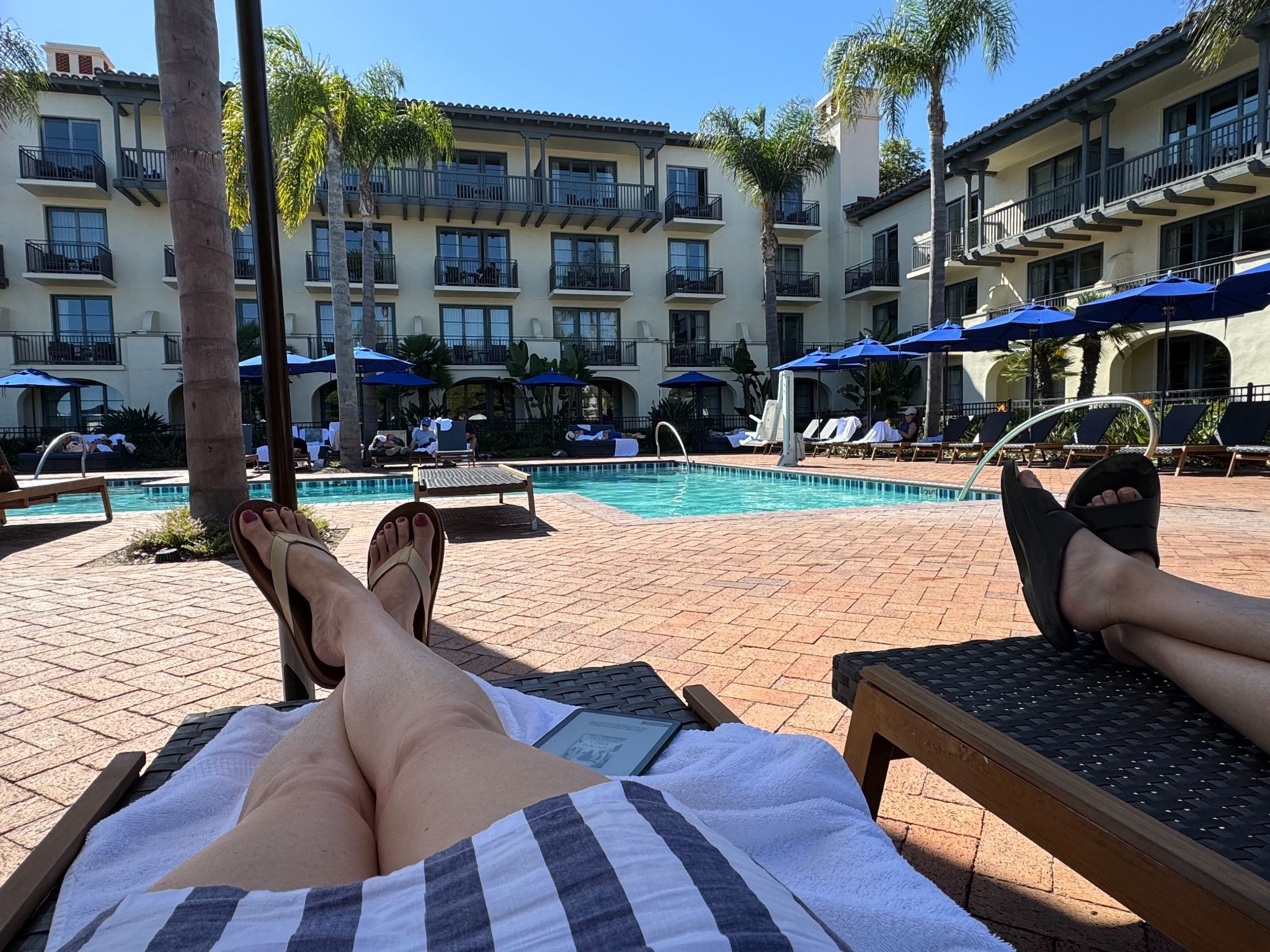
Traveling hasn’t always been easy for me because my chronic health symptoms can be unpredictable and are sometimes worsened by certain aspects of travel. But I recently traveled to California with my husband as his plus-one for a business conference and was pleasantly surprised.
As we flew home on a late flight, which is something I usually avoid, I was struck by how good I felt and how successful the trip had been for me from a health perspective. So I spent some time jotting down all of the things I’ve learned over time that have helped make travel go more smoothly for me.
Article Summary
Traveling with a chronic health condition takes a little more planning, but it doesn’t have to mean giving up the experience. Knowing what supports your body, communicating your needs, building in plenty of flexibility, and giving yourself permission to prioritize comfort can make travel feel much more manageable.
Prioritize the Basics
When it comes to traveling with a chronic health condition, preparation and intentionality go a long way. Your list of basics may look different from mine, but these are the things that work for me and I would highly recommend:
- Hydrate, hydrate, hydrate – Hydration is a daily essential, and it becomes even more important when you’re traveling. I stock up on water for long drives and always have a refillable water bottle with me when I fly. What’s great is that you can bring an empty water bottle with you through all U.S. airport security checkpoints, and many airports have water bubblers and/or filtered water stations to fill up once you’re through.
- Pack wholesome foods – Airports and highway rest stops are definitely starting to have some healthier options available but I still always bring my own food with me. While I don’t have any food allergies, I do have dietary preferences that help keep me feeling my best, so being prepared goes a long way.
I brought a lunchbox that fits in my backpack with me on our flight to California, full of nourishing but yummy foods. My husband thought I was being a little extra at first but ended up being happy to have a packed lunch when what was available on the flight turned out to be disappointing. - Make your sleep non-negotiable – For me, this looks like choosing travel times that won’t have me waking up at the crack of dawn, planning for early nights, and being realistic about how much I can fit into a day. I’m not getting up early in the morning during my trips, no matter how ideal a guided morning hike may sound.
When traveling for fun, I usually plan one or two activities to anchor each day, plus a dinner reservation, and leave room for plenty of pockets for downtime. Then I can decide if I want to spend that time doing something more active, like wandering around some local shops, or if I need to lie down and take a nap.
- Establish what travel supports you need most – Right before our trip, I purchased a lightweight yoga blanket to bring with me so that I could stretch in the hotel room without having to lay a bath towel down, which is what I usually do. I also picked up a new neck pillow because I have a really hard time sleeping on flights. I knew we had a late flight on the way back, so I wanted that added comfort to help me get some rest.
But I also make use of things that are available on the fly without having to spend money or pack more things to carry. I sleep with a knee pillow every night, but I don’t want to lug that around with me, so I use a regular pillow between my legs when I’m away.
At home, I use a Squatty Potty when I go to the bathroom, and while they do sell travel versions, I find I can get into the same position with my feet up on something, like a small trash can, when I travel. Don’t be afraid to get creative!
- Put comfort and function over fashion always – I want to look as chic as possible, but comfort and function will always win out for me, especially when it comes to traveling. I’m talking comfortable footwear, dressing for the weather, layering for uncertain temperatures, and clothes that move with me, without restriction.
Pack half the stuff and bring twice the money
My mom used to say this when I was younger and I didn’t appreciate it until recently. I sometimes feel a little high-maintenance with everything I bring with me to manage symptoms and all-the-scenarios. But my goal is still to pack as light as possible because carrying all sorts of luggage around isn’t exactly a great stressor to put on the body.
I also give myself permission to buy whatever I feel is necessary. Sometimes, you have to spend more to get more. That could be more legroom on an airplane, a ticket upgrade so you can pick an aisle seat, or whatever is going to make you feel supported. A friend of mine recently framed this kind of extra spending to me as the “chronic illness tax”.
That may be true and it may feel unfair. But I’d rather be comfortable and travel with ease.
Set your intentions before you go, and align with your travel companions
It can be easy to get caught up in a different speed or daily routine when you’re away, only to end up triggering a flare-up or recovering for weeks after your return. So I find it helpful to get clear on how I want things to flow before I travel. Then I make sure to communicate this clearly to any travel companions, which could be a friend, family member, or colleague.
Before my husband and I go anywhere together we both share:
- What we want to do
- What we don’t want to do
- How we want to feel
- What’s most important to us
If you’re traveling for business, I would suggest being thoughtful about what time is solely professional and what time is for pleasure, if any. During the trip I was just on, there were people all around me at the pool on their phones and laptops.
While I can appreciate that setup may work well for them, I prefer to fully relax and be present in my surroundings when I’m poolside. So my laptop stays inside and my phone is set to do not disturb. I know that personally, if I don’t create that space, I may end up spending my time in a way I won’t feel good about later.
Know your stressors, and respond accordingly
Travel can be unpredictable, stressful, and anxiety provoking, even if you’re off to somewhere fun. So it is worthwhile to do a little preparation to navigate the chaos. One thing you could try is to write down what is bringing you the most stress, before, during, and even after as a post-trip reflection. Then ask yourself what tools you have to remove or manage those stressors in real-time or as a plan for next time.
For me, that list currently looks like this:
- Carve out time to gather information, plan ahead, and coordinate any specific accommodations I will need
- Always use my travel packing checklist to get over the “I hate packing” hump and ensure I have all the necessities
- Make sure my most important items are in my personal carry-on when flying, so if I get separated from the rest of my luggage, I have those things handy
- Give myself extra drive time on road trips and arrive early at the airport to avoid feeling rushed if any slowdowns occur
- Invest the money in conveniences like parking at the airport to save time, feel safe, and keep things easy
Get clear on your travel wellness toolkit
What makes you feel your best each day, and how can you build some of those things in while you’re away? When I’m away from home, I make sure I move my body every day with simple activities like going for walks and stretching. If there’s a yoga class or similar available, I’m most likely creating space in my schedule to be there because I know I’ll feel better if I do.
During the actual transit part of travel, I need to stand up intermittently and move around so I don’t start trending toward a pain flare. On long drives, I build rest stops into the plan, and I always choose the aisle seat when on an airplane.
Because I’m often one rogue sneeze away from some sort of illness taking me down, I am very conscious about taking extra precautions when I travel. Some of this tracks back to the basics I mentioned earlier, like prioritizing sleep, nourishing food, and drinking lots of water.
But I also wash my hands every chance I get and carry hand sanitizer for in-between. I don’t currently use a mask when I travel, but that is another option. Others I know like to bring along herbal remedies or supplements that they personally find helpful.
Have a plan, but be flexible and let things flow
As you can see, I’m all about having a plan, being prepared, and keeping things intentional. But the reality is that being able to adapt to what’s happening around you is just as important.
On this most recent trip, I was scheduled to pick up a prescription the day before I left, and ended up arriving at the pharmacy to get it 5 minutes after they closed for the day.
We were leaving early the next morning, so I hopped onto my pharmacy app and had the prescription rerouted to a location in California. It happened to be on the way from the airport to the hotel, so we were able to add a stop to our ride, and scoop it up on the way.
There were moments of stress as this all transpired, but I was able to stay present, breathe through it, and find solutions, and it all worked out. In fact, I tapped into a mantra I’ve been using recently that was inspired by Chronic Boss founding member and columnist Sarah Stern:
- On the inhale, I say, “Let life flow”
- On the exhale, I say, “Let go of control”
Build in buffer days before and after you travel
Years ago I went to a wedding the night before I left on an early morning 12-hour nonstop flight to Hawaii. While that decision didn’t make or break the trip for me, it certainly did not set me up for success. Nowadays, I am very thoughtful about having a lot of available space in my schedule before and after trips.
This allows me to head into travel feeling rested, gives me time to prepare at a sustainable pace, and lets me catch up on rest when I get back. It sometimes means saying no to things I may otherwise want to do, but I know it is the healthiest choice for my body.
Happy Trails
I hope that you’re able to take away some useful ideas from what I’ve shared. I am by no means an avid traveler, I collected these habits over the last decade by slowly learning about my needs, preferences, and how to handle different scenarios.
If you’re in the process of exploring the best ways to care for yourself when you travel, keep an open mind, observe what comes up for you, and stay attuned to what you learn from each experience you collect.
And if you’re hoping to travel more in the future, but it doesn’t feel like a reality right now, I have faith that you’ll find what you need to make it happen.
Frequently Asked Questions About Traveling with Chronic Illness
How do you travel with a chronic illness?
Start by identifying what helps you feel your best at home and thinking about how you can recreate some of those conditions while traveling. Prioritize the basics like sleep, hydration, nourishing food, movement, comfort, and any specific supports you need, while leaving enough flexibility to adjust when plans change.
How can I prevent a symptom flare while traveling?
There’s no way to guarantee that you won’t experience a flare while traveling, but you can reduce some of the things that tend to trigger one for you. Pay attention to your personal stressors, build in rest and buffer time, plan for your basic needs, and give yourself permission to change your plans when your body needs something different.
What should I pack when traveling with a chronic health condition?
Think beyond the standard packing list and consider what helps you feel comfortable and supported day to day. That might include medications, supportive pillows or travel accessories, food that works well for you, comfortable clothing, and anything else that makes travel physically or mentally easier.
How can I make travel less stressful with a chronic illness?
Give yourself more time and more flexibility than you think you need. Plan ahead for the things that tend to stress you out, communicate your needs with your travel companions, and leave room in your schedule for rest, unexpected changes, and simply enjoying where you are.