Permission to Rest: The Art of Wintering
March 15, 2026
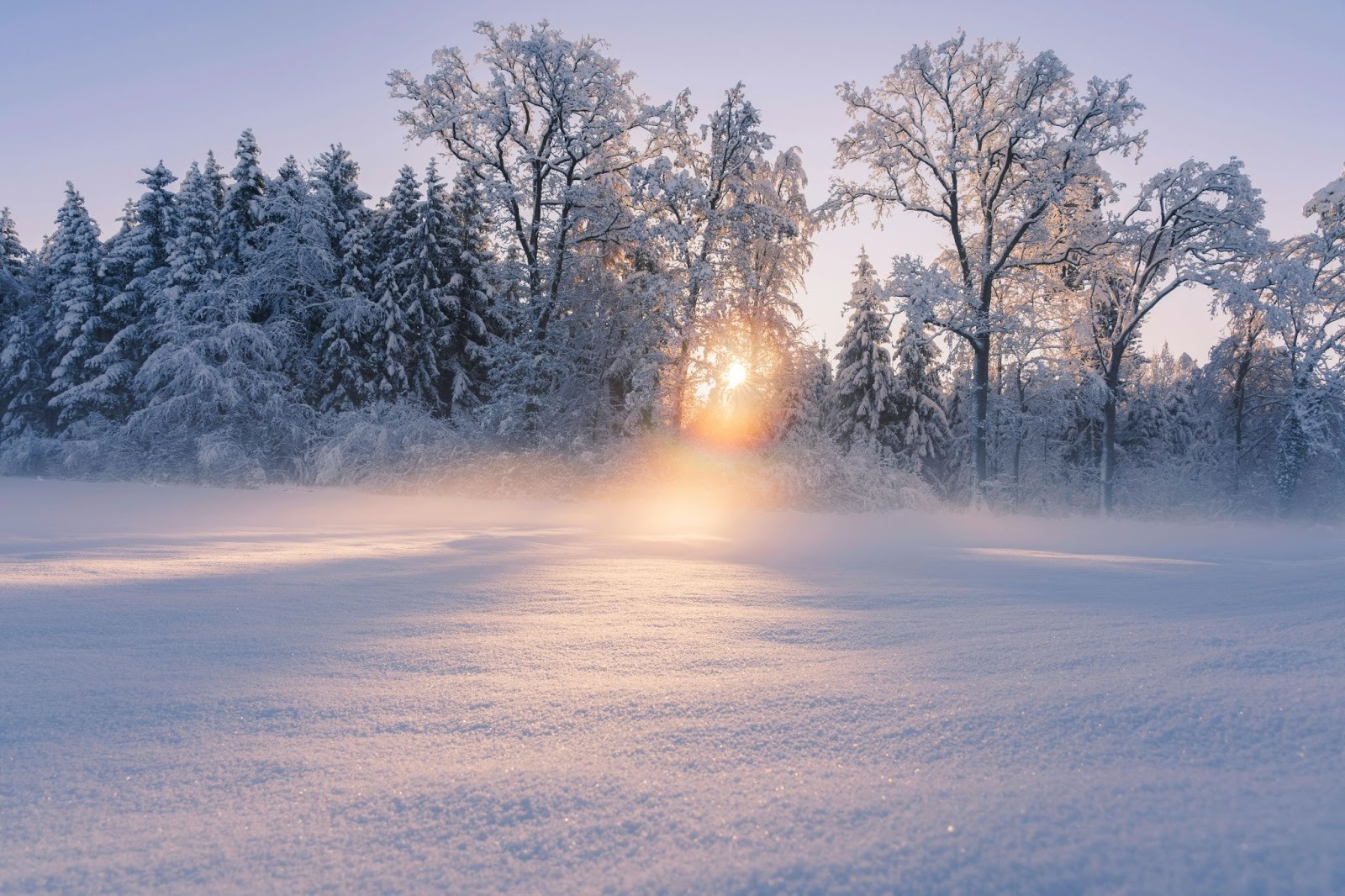
I recently finished reading the book The Frozen River. It is a historical fiction based around the real life of a midwife named Martha Ballard, who is remembered only through a journal she kept. The novel is primarily set in Maine where she lived during the winter of 1789. As I read, I found myself fully engulfed in winter where I live, and reflecting on how the season shapes our lives. It reminded me of the concept of wintering—intentionally slowing down to rest and renew, much like nature does each winter.
Wintering as a concept
I was first introduced to this idea through Katherine May’s book Wintering. She explores the cold winter season many of us are familiar with as a metaphor for periods of life that require more rest and intentionality. She likens the dormant phase of winter in the natural world with the times in life that require us to slow down to focus on healing or hold space for deep introspection.
When we step back from the constant movement of the world, we honor stillness as an important part of life’s continuous cycles. While embracing a pause may feel challenging, being able to accept winter for what it is gives us the strength and grace to move through it with more ease.
The biology of winter(ing)
Have you ever noticed that winter changes the way your body feels? The darker mornings, the pull toward slower evenings, the craving for warmth and rest. Modern culture often asks us to push through these shifts, but the truth is that humans remain deeply connected to the natural world. Our bodies still respond to seasonal changes, even when we live in temperature-controlled environments, and our circadian rhythms respond to shorter daylight hours, even when we’re surrounded by artificial light.
This seasonal response may be rooted in survival instincts. For much of human history, simply surviving the winter months was the priority. It makes sense, then, that our brains might still consider the harshness of winter a threat, signaling us to keep warm and conserve energy to stay safe.
You may have noticed this same kind of physical response when you’ve been seriously ill, injured, or recovering from surgery. Your body forces you to slow down so it can put all of its resources toward healing. It’s all about survival—that’s how we’re wired. So embracing the concept of wintering is a beautiful way to honor our humanity and accept the slowdowns rather than resist them.
How to winter
Wintering is all about being, instead of doing. It is a time to let stillness balance out the energy spent in brighter, more active seasons. For me, it starts with prioritizing good quality sleep, eating foods that nourish me, and leaning into slower, cozier activities.
Try doing nothing
Something interesting to experiment with is spending short periods of time in silence during which you do, quite literally, nothing. This may sound boring, but it turns out boredom is good for us and is an excellent way to recharge.
Explore journaling and meditation
If doing completely nothing doesn’t work for you, you could try sitting still while writing down the thoughts that enter your mind. Or, you could close your eyes and focus your attention on your inhale and exhale, maybe counting the length of each to give your brain something specific to do. When your mind drifts, bring it back to your breath. These are two simple ways to stay present and practice mindfulness.
Consider an active form of rest
These ideas are a good place to start, but keep in mind there are other ways to rest. In Burnout: The Secret to Unlocking the Stress Cycle, authors Emily and Amelia Nagoski talk about “active rest,” which they define as “working one gear while resting the others.” In other words, you take a break from what you’re doing and focus your energy on something else for a period of time.
This could look like taking time for creative writing in the evening, completing a home project over the weekend, or making space in your schedule to volunteer for a cause that’s meaningful to you. It can be anything that gives you a chance to reset and come back to your other “gears” feeling refreshed.
My favorite ways to rest
Rest and relaxation have not historically been my forte, and that is one reason I find this topic so interesting. As I work to change that, here are some of the activities I enjoy the most:
- Taking a long nap
- Reading fiction
- Walking in nature
- Puzzling with loved ones
- Sitting by the fire
- Binge-watching a quality TV series
I encourage you to explore what kinds of rest feel most restorative to you each time you winter—whether it’s seasonal, or during a period of recovery. Know that I am right there with you, finding my path towards more intentional rest.
Why rest is so important
The expectations of modern life are outpacing human evolution. We were not built to meet the constant demands and stressors of today’s world. That’s why it’s so important to honor our natural cycles by intentionally building in periods of restoration. Our bodies and minds need the chance to recover from what we ask of them each day.
Building this kind of space into our normal rhythms allows our systems to reset, carry out essential functions, and continue (or begin) to perform optimally. Without proper rest, chronic stress and elevated cortisol can contribute to irregular energy levels, mood changes, and metabolic disruption. All of these challenges have become too common.
I’ve learned over time that rest can support nervous system regulation, digestion, immune function, and hormonal balance. So, as someone with a health condition that impacts all of these systems, rest has become an integral part of how I take care of myself. With that said, I rarely talk to someone who wouldn’t benefit from more support in at least one of these areas.
Honoring the seasons of life
Each season of life carries its own rhythm. Winter invites stillness, reflection, and repair, while spring arrives with the promise of renewal and new beginnings. The next time winter rolls around, listen closely to what your body is asking for. When we allow ourselves to truly rest during the quiet seasons, we create the conditions to return stronger, steadier, and more whole. My hope for you is that each winter offers the rest you need, and that when spring arrives, you feel restored.