Wearables: Built for Women, by Women
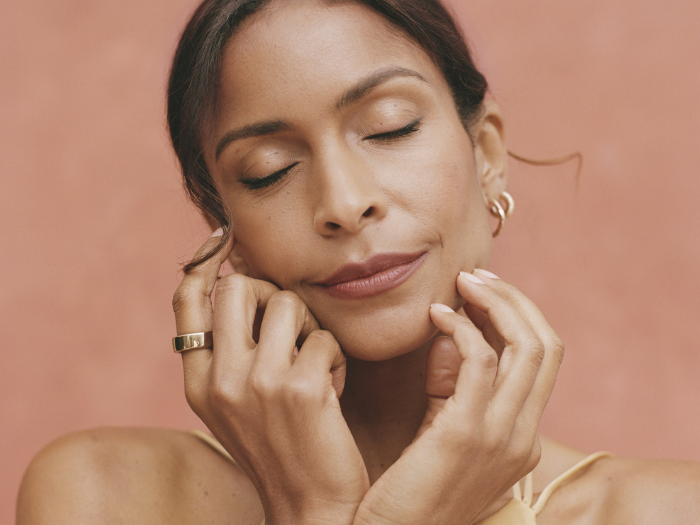
When thinking about what to gift our loved ones for the 2025 holiday season, my partner and I wanted to be thoughtful. We wanted gifts that were both functional and special, little luxuries that would elevate their everyday lives.
For our mothers (both of whom have been struggling with their sleep lately), we landed on the Oura Ring 4. The Oura Ring has been trending for its ability to track over 50 health and wellness metrics all the while looking like a piece of jewelry. A smart and sleek ring.
Why Are Wearables So Popular?
Wearable health trackers have exploded in popularity because they offer real-time insights into our bodies, often, things we’d otherwise never notice until they manifest as symptoms. From heart health to sleep quality, stress markers to activity patterns, modern wearables help us spot trends early and make smarter daily decisions.
The Oura Ring is a small, smart ring packed with sensors that measure:
- Heart rate & heart rate variability (HRV)
- Sleep stages (light, deep, REM)
- Resting body temperature
- Activity and recovery trends
- Cycle phase predictions and correlations
In 2025, Oura expanded to provide full-spectrum women’s health support across major life stages. The company has made it clear that a top priority in fulfilling their mission is to deliver meaningful products for female members. By building tools designed specifically around the physiological changes women experience, they have done just that. New features include:
- Cycle & period tracking: personalized predictions, temperature-based pattern detection, and symptom logging to better understand hormonal rhythms
- Pregnancy Insights: continuous tracking of heart rate, temperature shifts, and respiratory rate, plus trimester-specific education and symptom tagging
- Perimenopause Check-In: validated symptom scoring paired with real biometric data to spot changes and trends
- Clinical integrations: direct connections to specialized care providers like Midi Health, Evernow, Maven Clinic, and Progyny
“How Oura Is Capitalizing on the Gen Z Woman’s Wellness Obsession” – Vogue
Beyond Oura
While the Oura Ring may have started the trend, it’s now just one part of a much broader wearable ecosystem. Recent research suggests that advances in long-term biometric monitoring are rapidly moving out of academic labs and into real-world products. Here are a few other companies worth keeping on your radar.
1. Garmin
Long known in the fitness world, Garmin wearables have evolved into powerful, comprehensive health tools for women who want data that supports both daily wellbeing and active lifestyles. Forbes’ lineup of the best Garmin watches for women highlights models like the Venu 3S, which pairs advanced fitness metrics with thoughtful women’s health features. These include menstrual cycle and pregnancy tracking, symptom logging, sleep and stress insights, and recovery data, helping users understand how hormonal changes affect energy and performance.
2. WHOOP
The lightweight, screen-free band Whoop has begun showing just how powerful continuous data collection can be for women’s health. In addition to tracking sleep and recovery, Whoop recently identified a new women-specific biomarker that links subtle heart rate fluctuations to reproductive health. By measuring the wave-like pattern between a monthly heart rate low point around day five and a peak near day 26, researchers found that users with lower rhythm amplitude were more likely to show signs associated with reduced fertility. This could serve as an early, noninvasive warning system for hormonal or cycle irregularities, a huge advancement for the field.
3. Petal
Petal offers a fresh take on wearables by shifting away from wrist and ring formats toward a device designed around women’s bodies. Instead of a watch or ring, Petal is a discreet insert worn inside a bra, positioned close to the heart to capture continuous biometric signals throughout the day. Because of that proximity, it claims to deliver sensitive tracking of cardiovascular health metrics like resting heart rate and heart rate variability, alongside insights into hormonal and cycle-related changes by observing subtle physiological patterns.
Looking Ahead
Two months in, our moms are still wearing their Oura Rings and sending us daily screenshots of their readiness scores. More importantly, they are getting better sleep.
This kind of data matters because for decades, much of health research has been built primarily around men, leaving gaps in how women’s bodies are understood and supported. Wearables are beginning to help close that gap, collecting real-world, continuous data that reflects women’s lived experiences across cycles, pregnancies, menopause, and everything in between.
And this is just the beginning. Researchers at the MIT Media Lab estimate that only about 1% of the opportunity in human health sensing has been realized by today’s products.