Why I Chose Sobriety as a Mentally Fit Founder
January 22, 2026
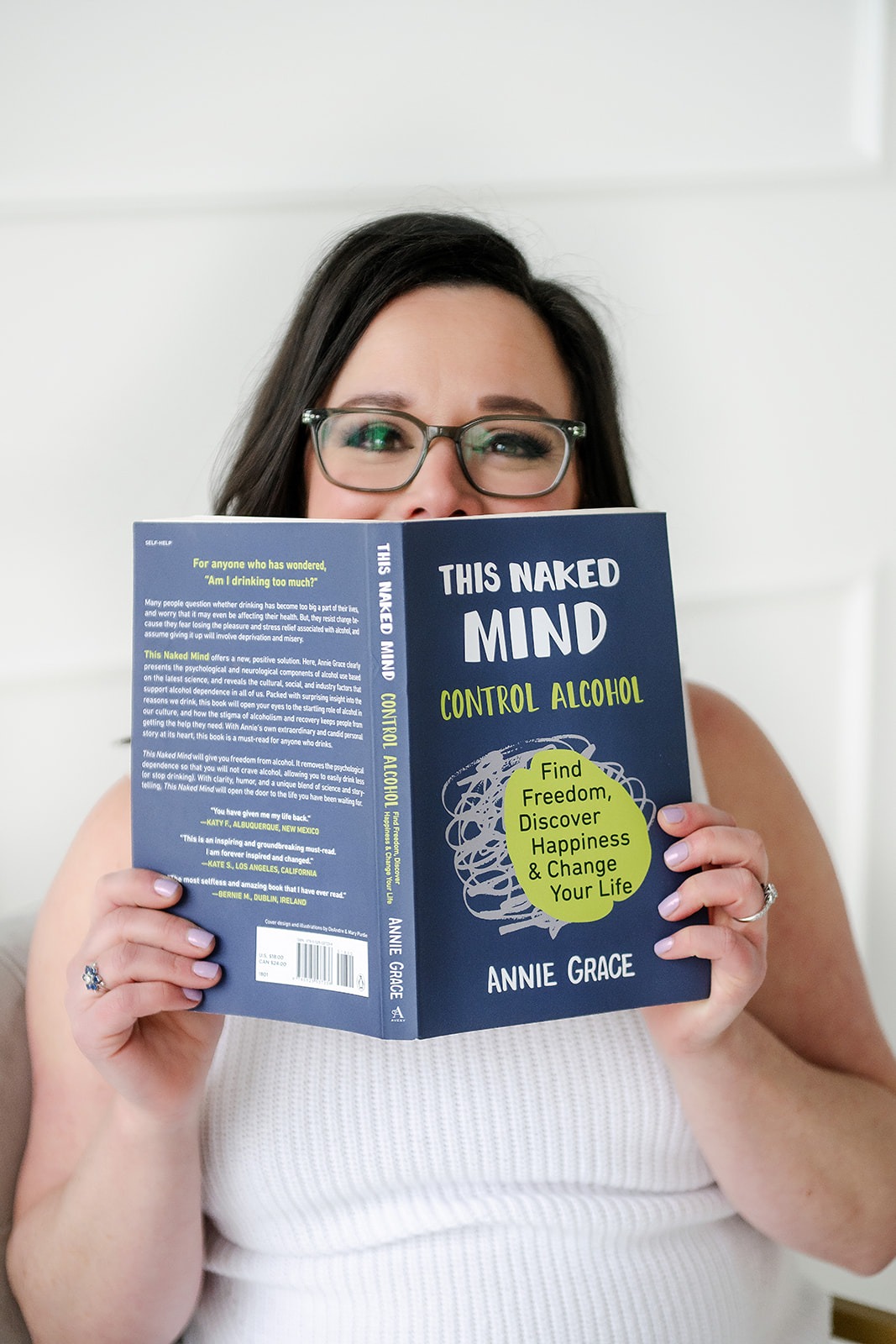
One day, about two years into starting my business, I had an epiphany. With absolute conviction, I realized I could no longer drink if I wanted to be a successful business owner.
It came after a chaotic weekend of drinking and partying, followed by a debilitating week of depression, hangxiety, and feeling pretty terrible (because hangovers linger way too long when you’re middle-aged).
It was one of my least productive weeks as a business owner up until that point. I felt demoralized and ashamed of myself. I spiraled into a rabbit hole littered with negative self-talk.
I’m such a loser.
Why can’t I just motivate myself?
How could I let myself get to this state? I have a business to run!
When the spiraling slowed down, and the world was no longer a blur, I finally realized it didn’t have to be this way. I deserved better, and so did my business. So in a moment of sheer clarity, I decided to officially break up with booze.
This decision came after a few months of being “sober-curious.” I had been listening to a quiet but persistent gut feeling that alcohol didn’t belong in my life anymore. Through conversations, podcasts, and books, I began examining my (unhealthy) relationship with booze.
As someone living with depression and anxiety and taking meds for those conditions, I knew deep down that alcohol was not my friend. I never felt good about myself after drinking, and my tolerance was steadily declining. But I didn’t know life without drinking–it was the background to my social life. While I didn’t drink every day, it was a constant in my life, but a toxic one at that.
That fateful, booze-filled weekend was the push I needed to make a full-on clean break. Four years later, I haven’t looked back. Quitting drinking was the best decision I made for my physical health, my mental health, and my business.
But I want to be real. The first few months were brutal. Many times, I wondered if I could really do this. I did do it, but being a non-drinker in our world isn’t easy. From nights out and game days to nights in and networking events, drinking is deeply embedded in our culture.
Corporate Culture Is Also Drinking Culture
Drinking has become synonymous with community and camaraderie, and nowhere is that more apparent than in the corporate world. I’m not talking Mad Men-style drinking at the office, although I’m sure it still happens. I mean alcohol as the constant backdrop to professional life.
When I look back on my career, alcohol was a throughline in how relationships were built. My first job out of college included corporate training sessions that ended in heavy drinking, both sponsored and unofficial. As my career progressed, so did the presence of alcohol.
One corporate job, brimming with young people, had an office conveniently outfitted with a well-stocked bar. Another job provided me with endless opportunities to build my professional network and my drinking tolerance. Events, client outings, and team bonding–alcohol was always there.
When I turned to entrepreneurship, I removed the biggest contributor to my corporate drinking problem: other people. As a solopreneur in communications, I no longer had employees to bond with or clients to impress over drinks. I just had me and my existing network, which worked for a while.
Then I had to expand my network again, and I was quickly reminded of what I’d been missing. Those familiar drink tickets tucked into my name badge, good for one beverage.
Mantras for the Sober Curious Chronic Boss
When I first stopped drinking, many people were puzzled by my decision. What former party girl chooses sobriety without a court order or medical mandate? At the time, the sober-by-choice movement hadn’t fully entered the mainstream. People assumed sobriety always meant the person was deeply troubled by alcohol.
Early on, the puzzled looks and accompanying snarky remarks would send me straight into panic mode. I lacked the confidence to navigate those conversations with conviction, even though I knew I made the right decision for me. Sobriety can be a tricky topic to navigate, regardless of confidence level. If there’s one thing I learned over the years, it’s this: people who have a problem with your sobriety often have a complicated relationship with alcohol themselves.
The good news is, sobriety is now having its moment, and I’m much more confident. Those inquisitive conversations no longer scare me. But if I could go back and speak to my sober-curious, Chronic Boss self, here’s what I would say:
- As an ambitious business owner, alcohol is doing you no favors. You need a clear head to achieve your goals.
- You are funny, cool, and charismatic without the booze.
- There is absolutely no amount of booze that is healthy for you. Not even one glass of wine a day.
- Your true friends will stick with you, and you may even inspire a few to reconsider their own drinking habits.
- No one leaves this world saying, “I wish I drank more alcohol!”
As we say goodbye to Dry January and welcome in drinking-heavy moments like Super Bowl and St. Patrick’s Day, I encourage you to examine your relationship with alcohol and whether it’s truly serving you.
I offer this advice with some trepidation, as the sober-curious movement has received backlash in recent months. One writer recently lamented that the movement has produced “sanctimonious” non-drinkers who infiltrate wine nights with side eyes and side comments. But the truth is, when someone stops drinking, the person they’re thinking about most is themselves.
So I share this suggestion not with judgment, but with vulnerability and care. I share it because it is simply what’s worked for me, as a mentally fit founder.